Commonly Used Materials for Acoustic Wall Panels
Establishing a calm and quiet room can be difficult, particularly with outside or other building area sounds. Installing acoustic wall panels is among the most efficient techniques to control sound and lower noise. These panels are meant to improve the general acoustics of a room, regulate noise levels, and absorb sound. Knowing the materials used for acoustic wall panelling ideas will help you choose the ideal one for your purposes whether you are building a recording studio, a home theater, or just want to lower echo in a huge space.
Typical Materials for Acoustic Wall Panels
Choosing the correct material for acoustic wall panels offers many possibilities. Every material has its own qualities and advantages; the decision is based on considerations like sound absorption need, appearance, and cost.
Foam Paneling
Because of its great sound-absorbing characteristics, foam is among the most often used materials for acoustic wall panels. Lightweight, simple to install, and available in several forms and sizes. Different densities of foam panels exist; thicker panels provide more soundproofing. Often found in settings like music rehearsal spaces, home theaters, and recording studios.
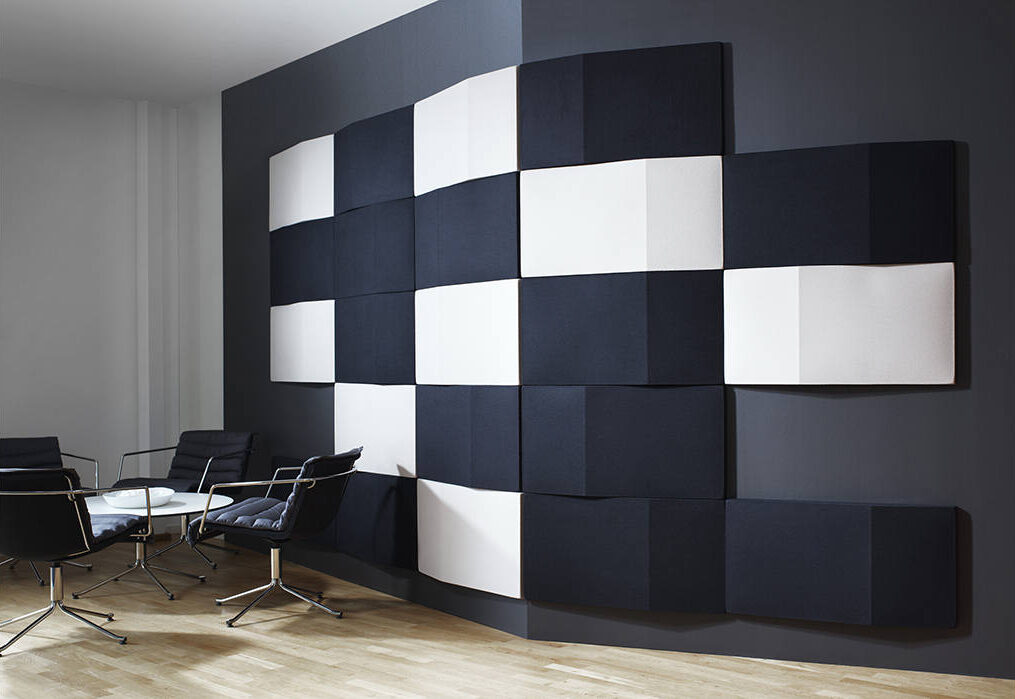
Fabric-wrapped acoustic panels are coated in attractive fabric over a core material, such foam or fiberglass. Perfect for office spaces, conference rooms, and even residences, these panels combine a fashionable look with sound attenuation. The fabric is simple to mix with the decor of the room since it allows for colour and texture customisation.
Fiberglass Paneling
Often found in commercial and industrial uses, fiberglass is a very efficient sound-absorbing material. Fabric or perforated material usually covers it to improve its aesthetic appeal. Known especially for their longevity and high-performance sound absorption, fiberglass panels are a common choice for professional environments including recording studios, auditoriums, and theatres.
Wood Panels
Wood acoustic panels are not only useful but also attractive. Often, these panels are made of wood combined with acoustic foam or perforated material to enhance sound absorption. For areas needing both acoustic control and a natural, warm look, such as living rooms, restaurants, and music venues, wood panels are a fantastic choice.
Selecting the Appropriate Material for Your Requirements
Choosing the correct material for your particular requirements will unlock good acoustic wall paneling concepts. Think about the size of the area, the degree of noise you like to lower, and the style you wish to create. Every material has its own benefits; choosing wisely will guarantee the greatest performance of your acoustic wall panels.
Given the many different materials on hand, acoustic wall panelling ideas are not only effective but also flexible enough to fit a broad spectrum of environments. There is a choice that matches every need whether you give sound absorption, aesthetic value, or affordability top priority.